As part of its "practical steps" to support Singaporeans who may be more vulnerable to the effects of haze, the Government on Wednesday (Oct 14) announced that it will distribute N95 masks to vulnerable persons.
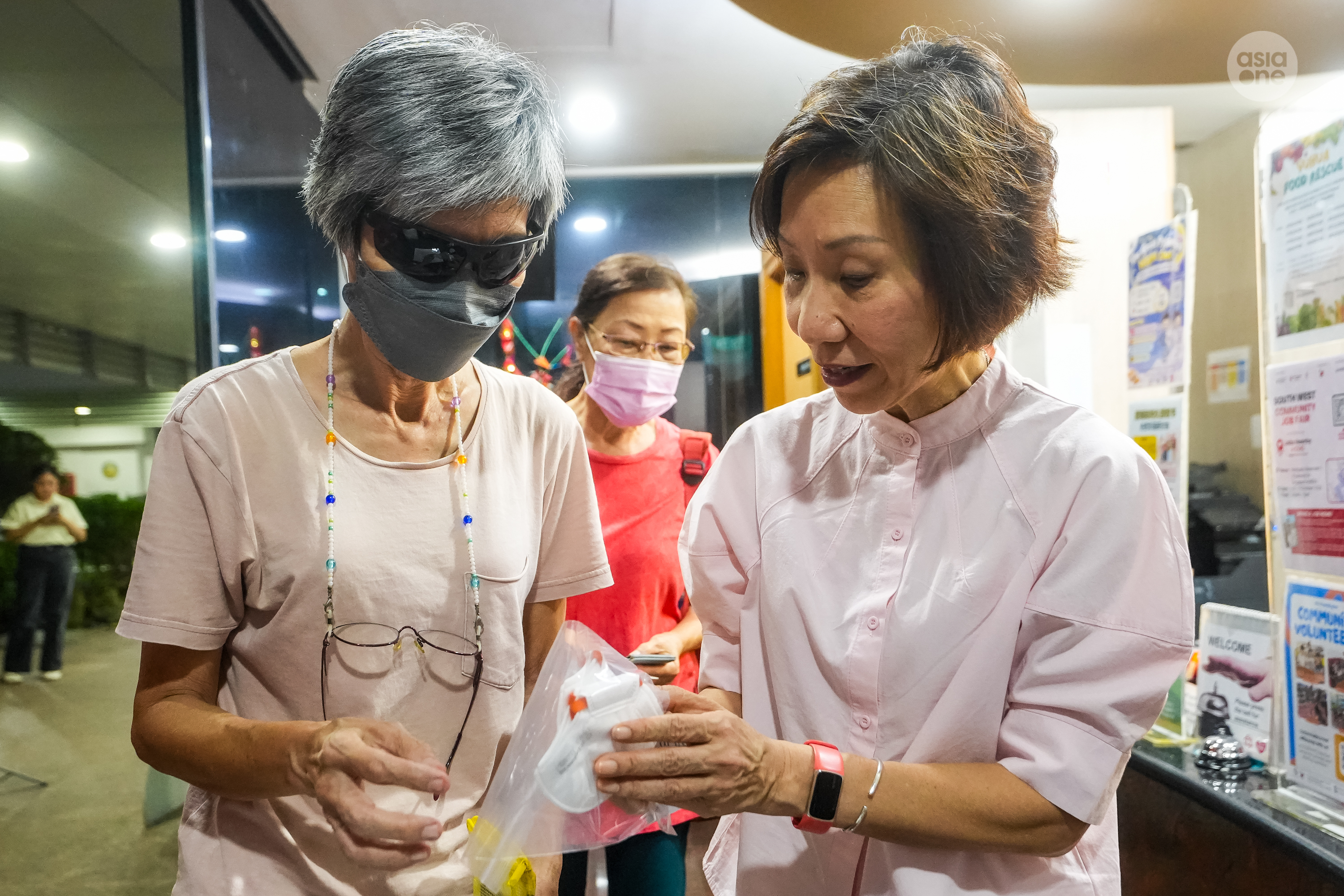
Those from the Pioneer Generation and Merdeka Generation; holders of the Community Health Assistance Scheme (CHAS) Blue and Orange cards and Medical Fee Exemption Cards (MFEC); and recipients of ComCare Assistance have since been able to collect their masks at community clubs or designated vending machines located at selected public transport hubs, social service offices and People's Association venues.
In addition, pregnant women, children between the ages of seven and 16, and those with medical conditions such as asthma may also collect their masks at community clubs.
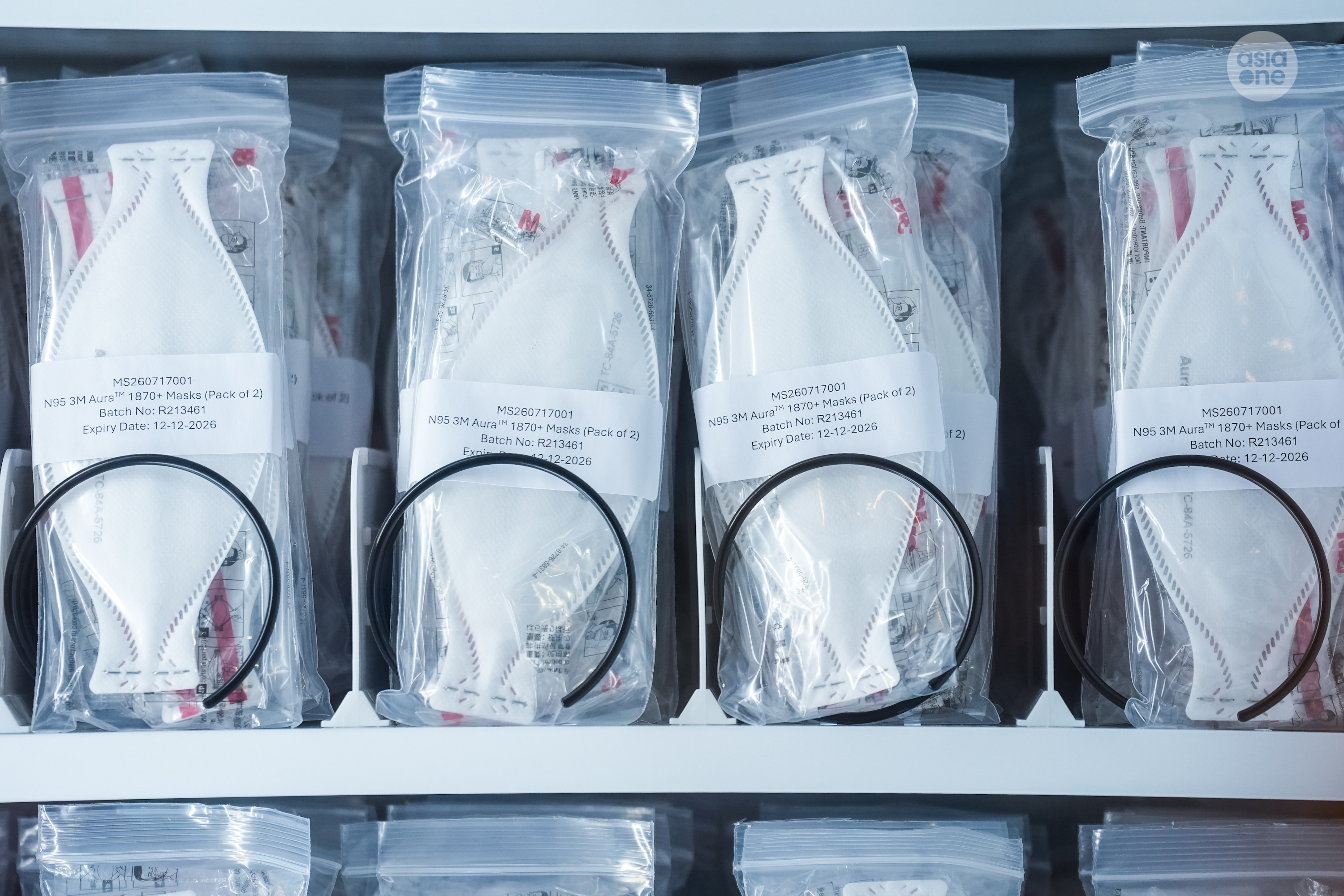
But with about 10 per cent of eligible Singaporeans having collected their haze masks, some have taken to social media to point out that the masks are expiring in December 2026.

They have also asked why the Government did not give out masks with a longer window before expiry.
"Can use meh? Already expiring in two months," one user said in a Facebook post, adding that he would have preferred masks that come with a longer shelf life.
Masks are for current haze episode
It has been about six week since the haze began, with the situation worsening over the past two weeks.
During a whole-of-Government press conference on the haze situation on Friday afternoon, Minister for Sustainability and the Environment Grace Fu urged Singaporeans to be prepared for the haze to "persist for some time".
"The situation is fluid. Depending on the weather, we can expect air quality to fluctuate, including the possibility of reaching hazardous level (PSI >300)," the minister said.

But she also pointed out that the situation could improve by end-October or early-November as winds become lighter and more variable during the inter-monsoon period.
By early-December, with the onset of the northeast monsoon, any haze from Sumatra and Kalimantan will blow in the direction away from Singapore, she added.
This means that the N95 masks, intended to support vulnerable Singaporeans through the ongoing haze period, are good through their stated shelf life.
The minister has also stated that the Government will carry out another round of mask distribution, if the need arises.
Why do masks have expiry dates?
Manufacturers do mark their masks with expiry dates.
For example, 3M indicates on its "frequently asked questions" that some of its particulate respirator and surgical mask models have a five-year shelf life when the respirators are stored in their original packaging and under the recommended climate conditions.
And while the manufacturer also states that respirators should be disposed of after the state use-by date, the rationale could lie in the subsequent lines.
"Always inspect the respirator and conduct a seal check before use per the instructions for use. If the person wearing the respirator cannot achieve a proper seal, then the respirator should not be used.
"Even for respirators within the stated shelf life, the respirator should be disposed of immediately upon observation of damaged or missing parts."
This could suggest that the reason behind the expiry date is that mask effectiveness is dependent on having a good fit.
Logically, the elastic bands, nose foam and nose clips could degrade over time, especially if optimum storage conditions are not met.
The reminder on fit was emphasised when AsiaOne spoke to infectious diseases physician Dr Leong Hoe Nam on Friday.
Dr Leong has been directly involved in managing major outbreak situations such as the 2003 Severe Acute Respiratory Syndrome, H1N1 and the more recent Covid-19 pandemic,
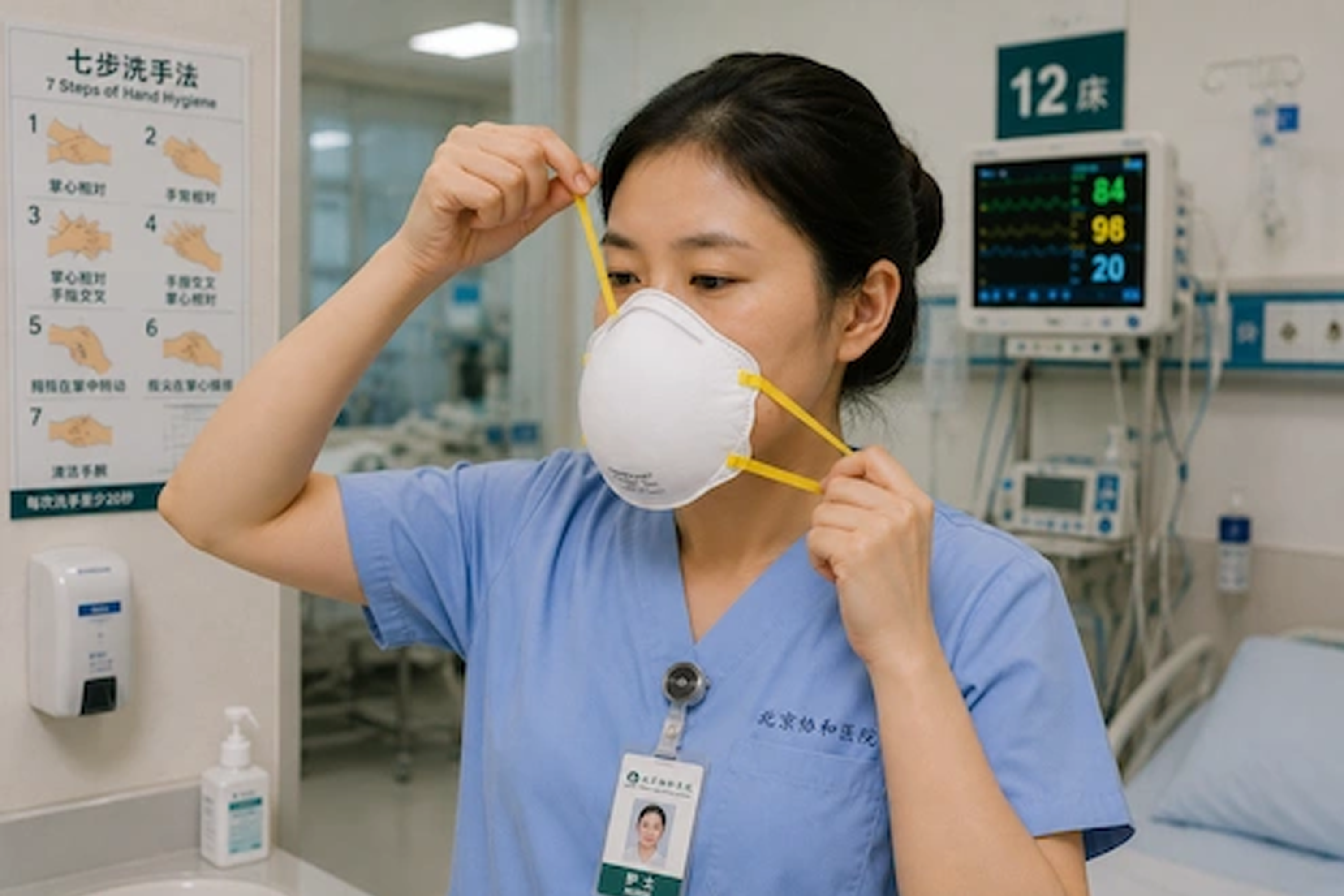
He said that users should examine their masks and check for signs of damage, such as frayed edges or holes, prior to use.
"They should then do a seal check by gently exhaling to feel for air leaks around the edges, or inhaling to check whether the mask draws inwards towards their face.
"If there is a leak, users will feel a gush at the site of the leak during exhalation," Dr Leong added.
Dr Pipetius Quah, a respiratory specialist, also took to social media on Friday to share tips on using the N95 mask.
He reiterated at the end of his video that users should conduct a fit check to make sure that there's no leak.
Are masks past their expiry date useless?
In a technical bulletin published in May 2020, 3M said it has often been asked whether respirators can be used beyond their shelf lives.
It reiterated that shelf life and storage conditions are in place to help ensure that all respirator components can effectively contribute to respirators' ability to "seal effectively to the face".
It also referenced two US Centres for Disease Control and Prevention (CDC) studies, which states: "In times of increased demand and decreased supply, consideration can be made to use N95 respirators past their intended shelf life. However, the potential exists that the respirator will not perform to the requirements for which it was certified."
The CDC also published information regarding research conducted by the National Institute of Occupational Safety and Health (NIOSH) on five stockpiled 3M respirator models that are past their shelf life.
In the report titled: Release of stockpiled N95 filtering facepiece respirators beyond the manufacturer-designated shelf life: Considerations for Covid-19 response, CDC and NIOSH stated that they believe the listed products, “despite being past their manufacturer-designated shelf life, should provide the expected level of protection to the user".
However, it also said that this is contingent on the basis that stockpile conditions have generally been in accordance with the manufacturer-recommended storage conditions.
In the report, both CDC and NIOSH emphasised that inspection procedures, including conducting user seal checks, should be carried out prior to use.

Meanwhile, an independent study by three doctors on 29 expired N95 respirators — published on the JAMA Internal Medicine Network's journal — found that expired N95 respirators with intact elastic straps and respirators subjected to ethylene oxide and hydrogen peroxide sterilisation had unchanged fitted filtration efficacy of more than 95 per cent.
So, the short answer to the question is, it depends — on the way the masks were stored and whether the mask still properly fits a user.
Now you know.
[[nid:747830]]
[email protected]


