Air quality across Singapore worsened through Friday (Oct 17) morning, with hourly PM2.5 in the high-band across the Republic at 1pm.
Southern readings deteriorated the most, surging from 133 to 194µg/m3 at 12pm — the highest concentration reading in the country on Friday, for now. It later dropped to 160µg/m3 at 1pm.
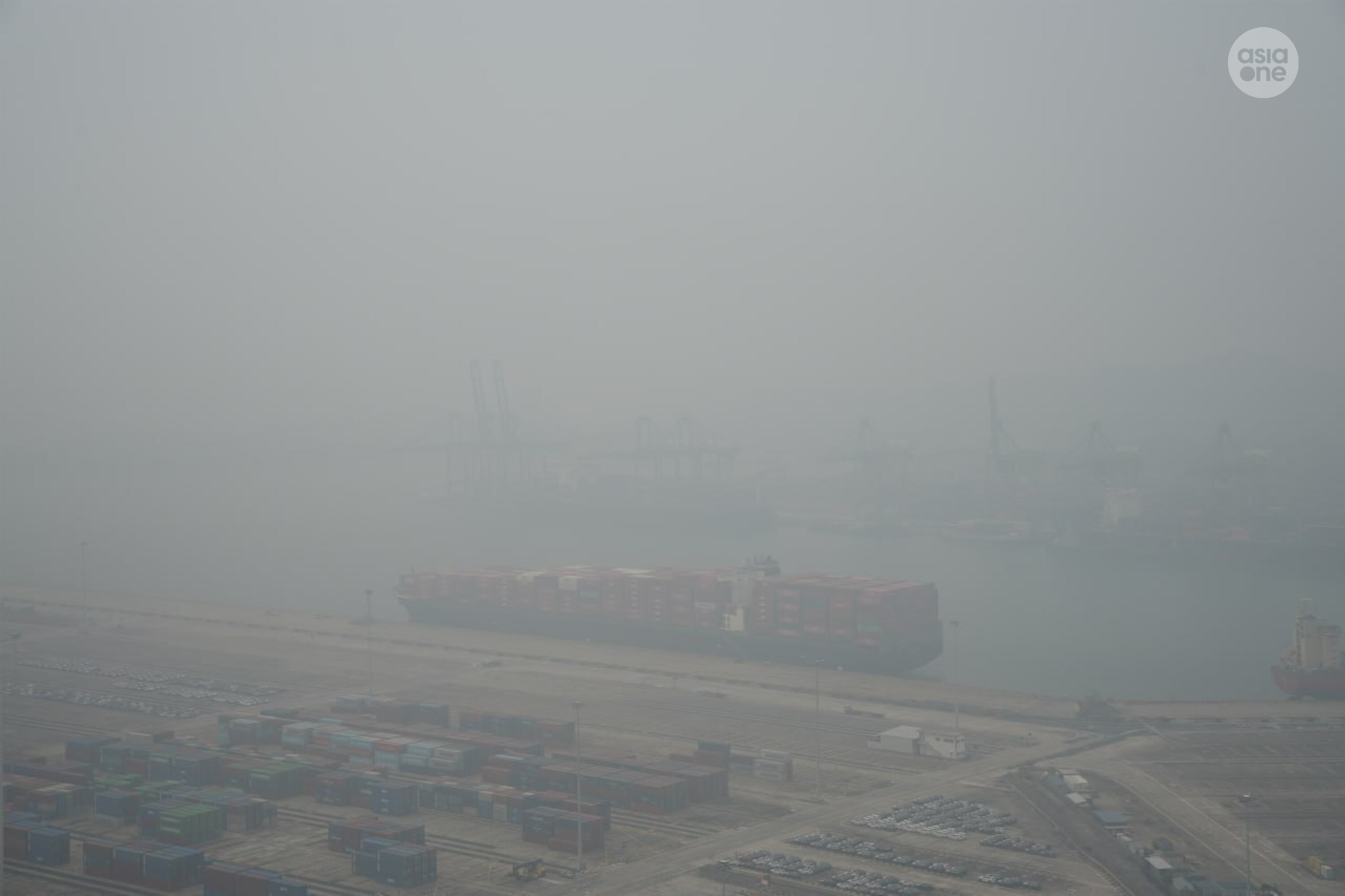
Elsewhere, hourly PM2.5 concentration readings are also in the high-band. The next highest readings were in central (169µg/m3) and eastern (162µg/m3) Singapore.
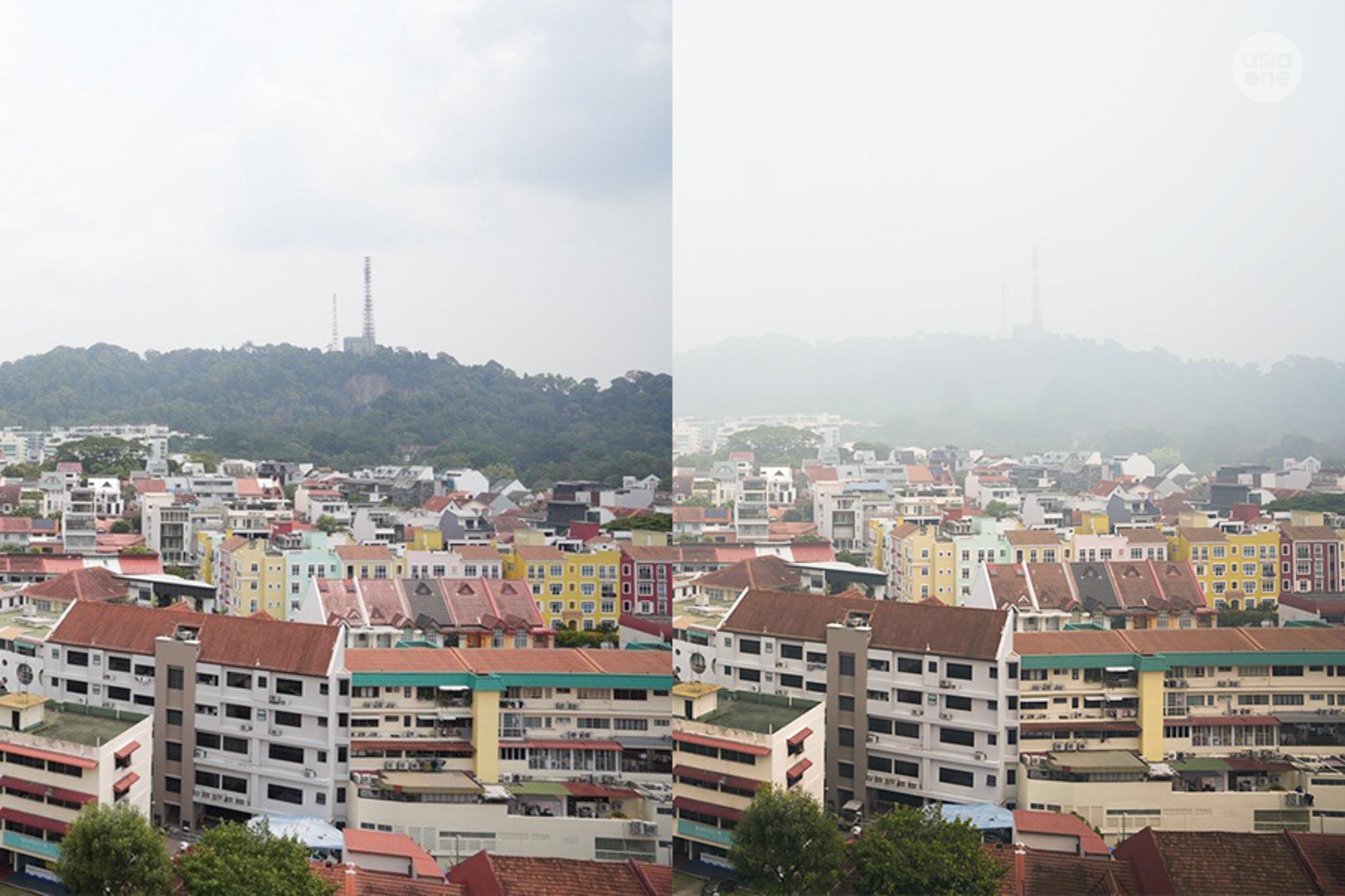
Meanwhile, the 24-hour Pollutant Standards Index (PSI) remains in the unhealthy to low-very unhealthy range, per forecast by the National Environment Agency on Thursday evening.
The central (226), eastern (205) and western (203) regions remain in the very unhealthy range, while PSI in southern Singapore has reached 185 at 1pm.
As of 12pm, all outdoor and non-aircon ActiveSG facilities across Singapore have been closed as a precautionary measure due to the evolving haze situation.
The latest list of facilities temporarily closed due to the haze can be found on the ActiveSG Circle website.
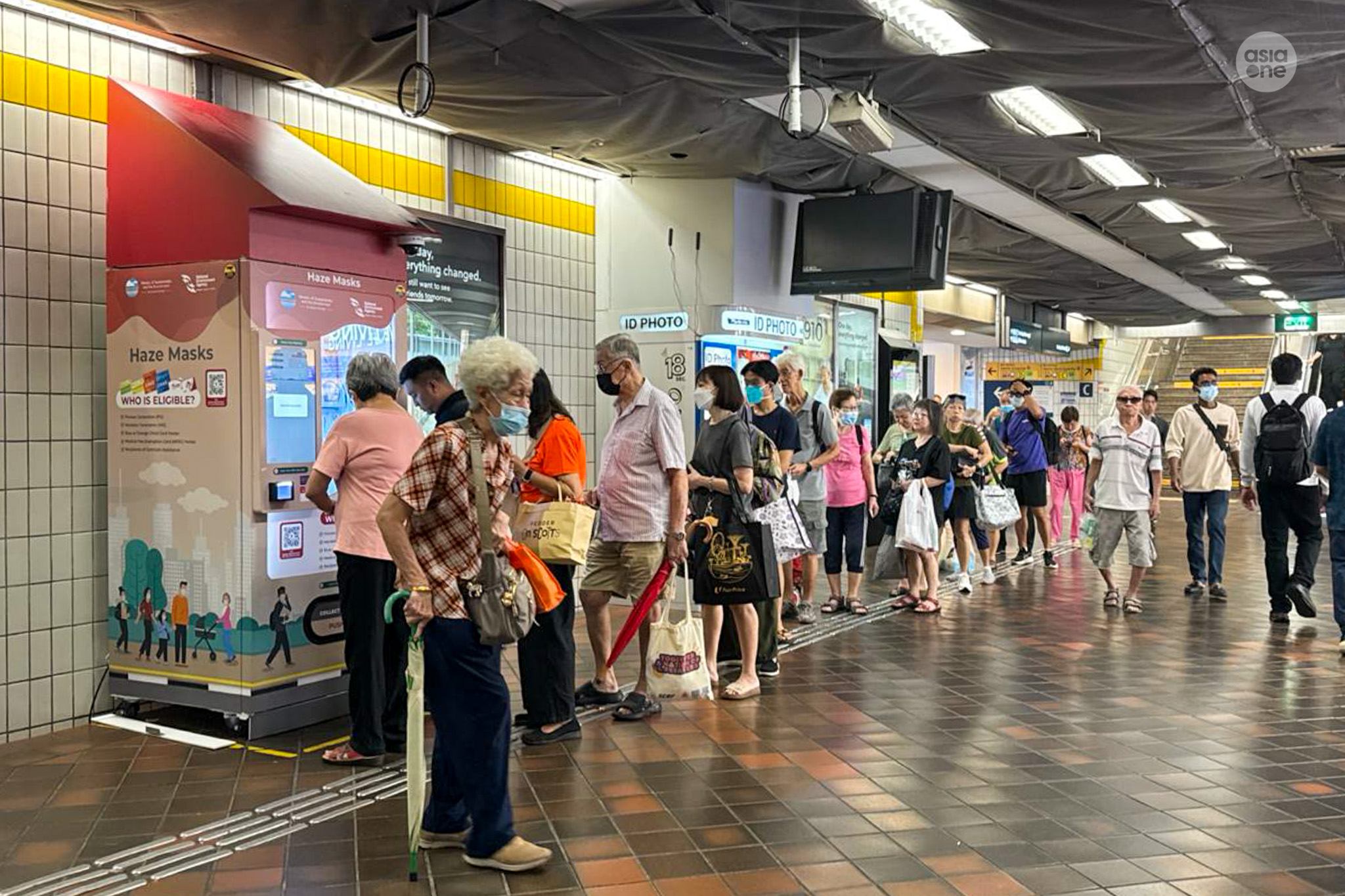
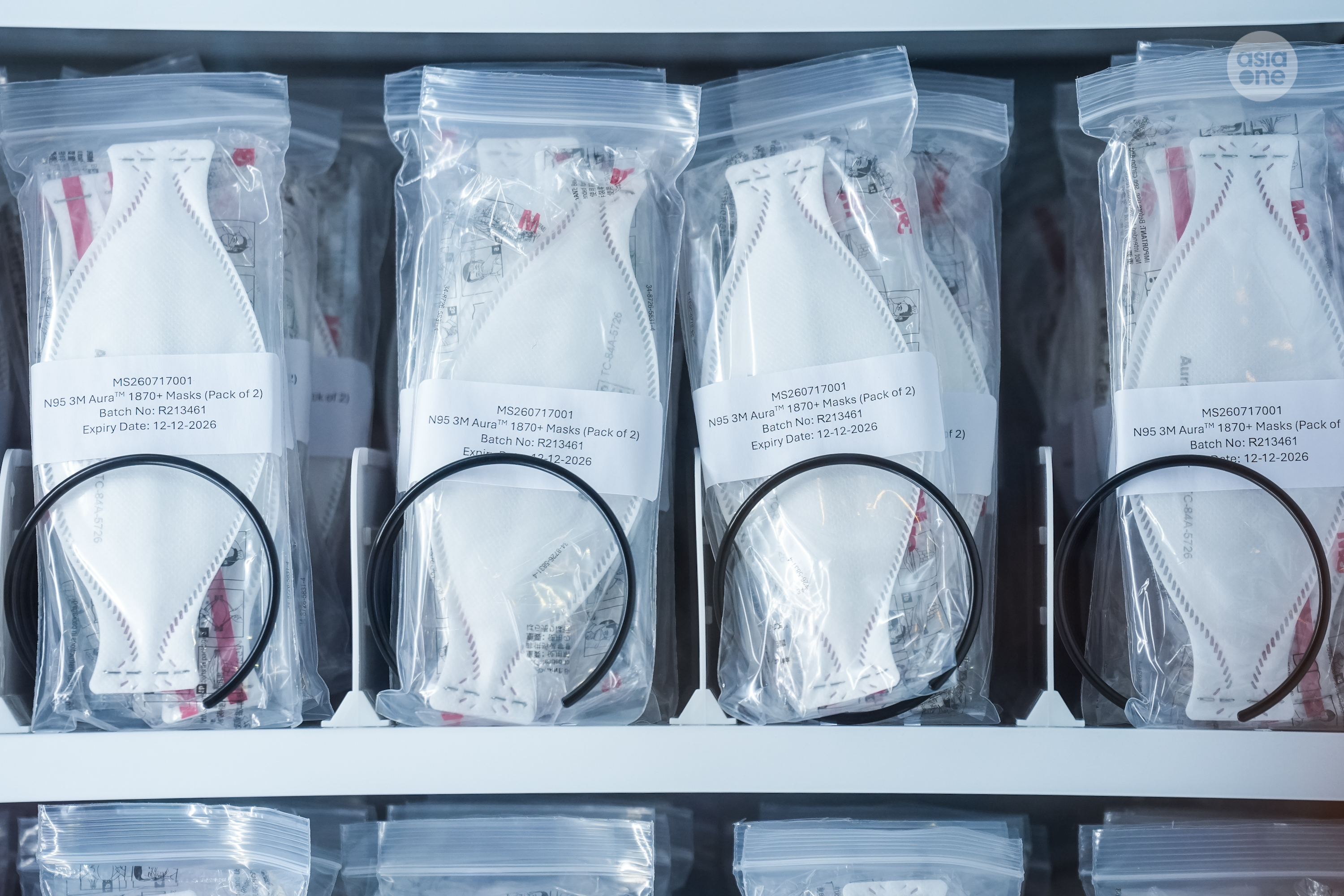
Singaporeans who are collecting their N95 masks can use the HazeMaskGoWhere website for more information on the eligibility criteria, collection locations and live updates on mask availability at the vending machines.
When should N95 masks be worn?
According to a Ministry of Health advisory, members of the public generally do not need to wear N95 masks when commuting to work, school or while indoors.
Instead, reducing outdoor activities and physical exertion can help limit an individual's exposure to haze particles.
However, those who need to spend several hours outdoors when PM2.5 levels are high or very high may consider wearing a well-fitted N95 mask or its equivalent, depending on their health condition and air quality at the time.
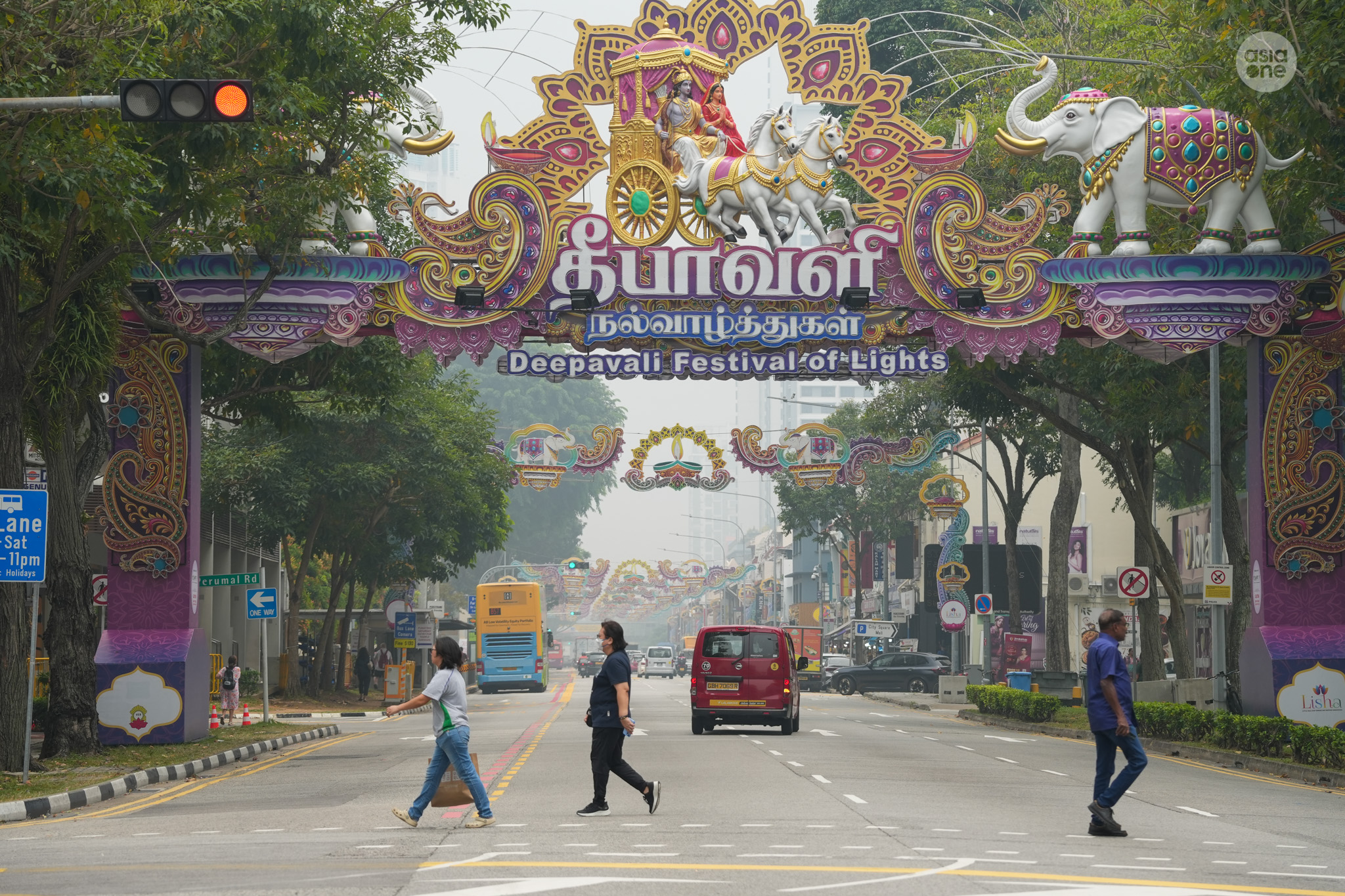
Healthy individuals may reduce their exposure by wearing a well-fitted N95 or its equivalent when heading outdoors for immediate activities when the one-hour PM2.5 reading reaches Band 4 (very high).
Meanwhile, vulnerable persons such as the elderly, pregnant women and individuals with chronic heart or lung disease may do so when the one-hour PM2.5 reading is in Band 3 (high).
That said, individuals in this group, including those with severe lung or heart problems, who have difficulty breathing at rest or on exertion should consult their doctor before using an N95 mask or its equivalent.
The ministry also advised those with existing chronic heart and lung conditions to ensure that medications are on hand and readily available, while anyone who feels discomfort when using an N95 mask or its equivalent should take a break from using it.
Can they be reused after short-duration usage?
And for those wondering if N95 masks used for such purposes can be reused after short commutes to transport nodes or eateries, Dr Leong Hoe Nam, infectious disease specialist at Mount Elizabeth Novena Hospital, said that N95 masks can be used for one to two days, provided it remains in good condition.
For hygiene purposes, he recommended storing each used mask inside a sealed Ziploc bag, ideally keeping them dry with a desiccant.
Before reusing the mask, Dr Leong said users should also examine the mask and check for signs of damage, such as frayed edges or holes.
They should then do a "seal check" by gently exhaling to feel for air leaks around the edges, or inhaling to check whether the mask draws inwards towards their face.
If there is a leak, users will feel "a gush at the site of the leak" during exhalation, said Dr Leong.
If it passes the test, he advised users to "keep the mask and keep using" it.
[[nid:747830]]
[email protected]


