

'If everyone thinks it's okay, it must be okay': Is it time we re-examined discussions about drugs?

PHOTO: AsiaOne/Loo Hui Ping

 PUBLISHED ONJuly 17, 2026 12:00 AMBYKimi Ang
Have you seen these perspectives on posters or screens across Singapore? "We should try everything at least once, right?", "If it's legal elsewhere, how bad can it be?", and "If everyone thinks it's okay, it must be okay." These posters echo some of the held perspectives about drugs that may appear increasingly salient among young Singaporeans.
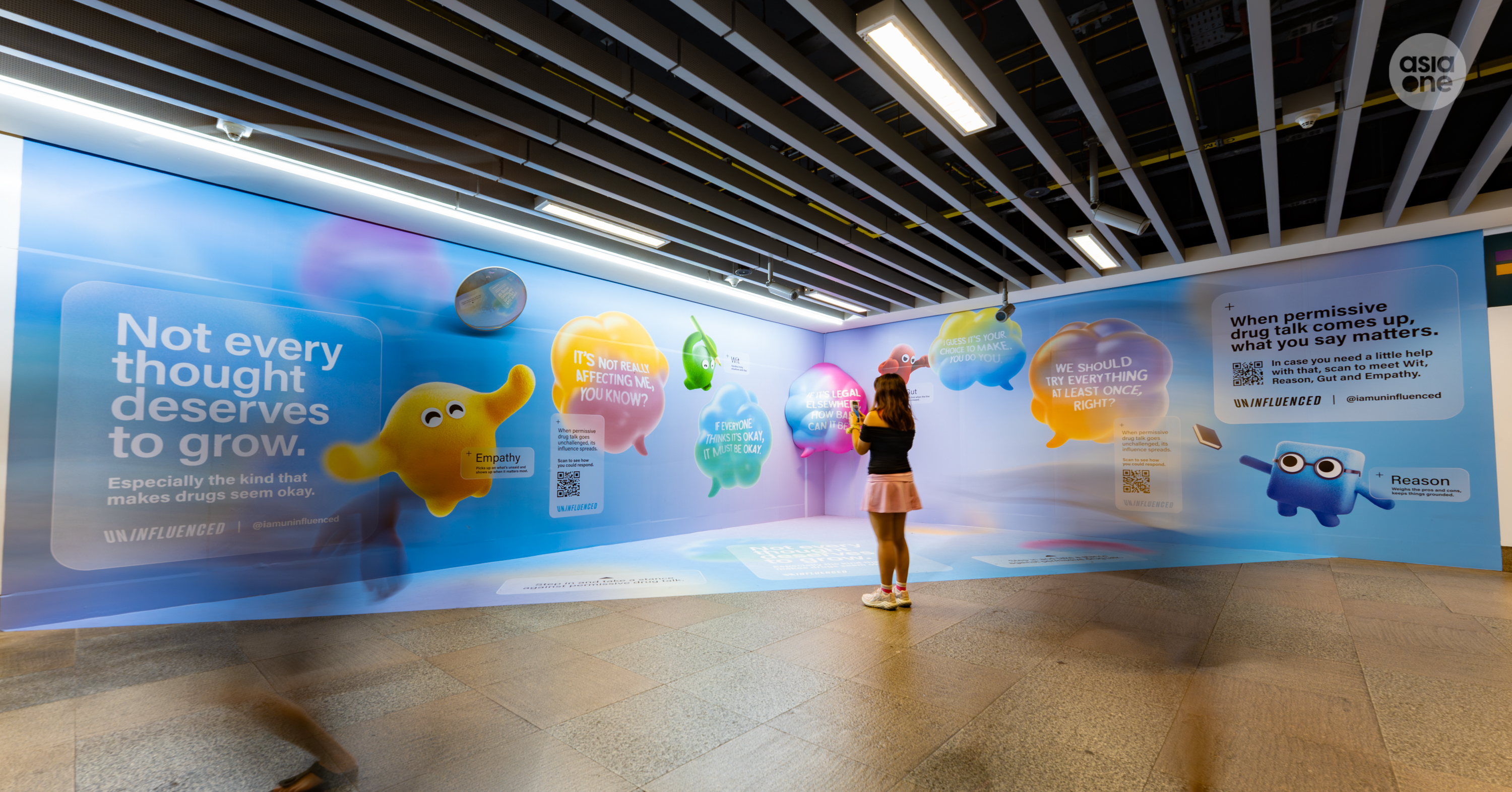
In online discussions on forums such as Reddit and in the comments sections of drug-related local content, some have expressed attitudes towards drug abuse that may appear permissive. This is especially the case for drugs like cannabis, which many perceive as having fewer negative impacts.
Are these comments a true reflection of how young Singaporeans, as a generation, view drugs? Latest survey findings suggest otherwise. According to the National Drug Perception Survey 2025, 86.2 per cent of youths agreed that consuming cannabis will harm one's health, an encouraging uptick from 79.5 per cent in 2023.
While the results might signal a stronger overall stance against drugs, there may be a growing silent majority of Singaporeans that may be more conflicted about the issue. As such, they often adopt a stance of neutrality by remaining silent in the face of permissive drug attitudes. This could involve citing dicey social situations, personal opinions like "your body your choice, you do you" or grey areas that perhaps warrant more permissive attitudes towards drugs. Consequently, this allows a vocal minority to dominate the conversation and warp public perception, making drug normalisation look like the majority consensus.
AsiaOne spoke to a youth counsellor to find out more about the complexities that surround drug abuse, and how narratives perpetuated by peer groups can serve to justify experimentation and experiences.
Lim Shen Yong, 41, known professionally as Mr Courage, is a registered social worker and certified substance abuse counsellor with over 14 years of experience working with youths. He tells AsiaOne about some of the mindsets and attitudes of the youths he has supported through drug intervention cases, revealing hidden dangers behind staying silent, or letting permissive perspectives take root.
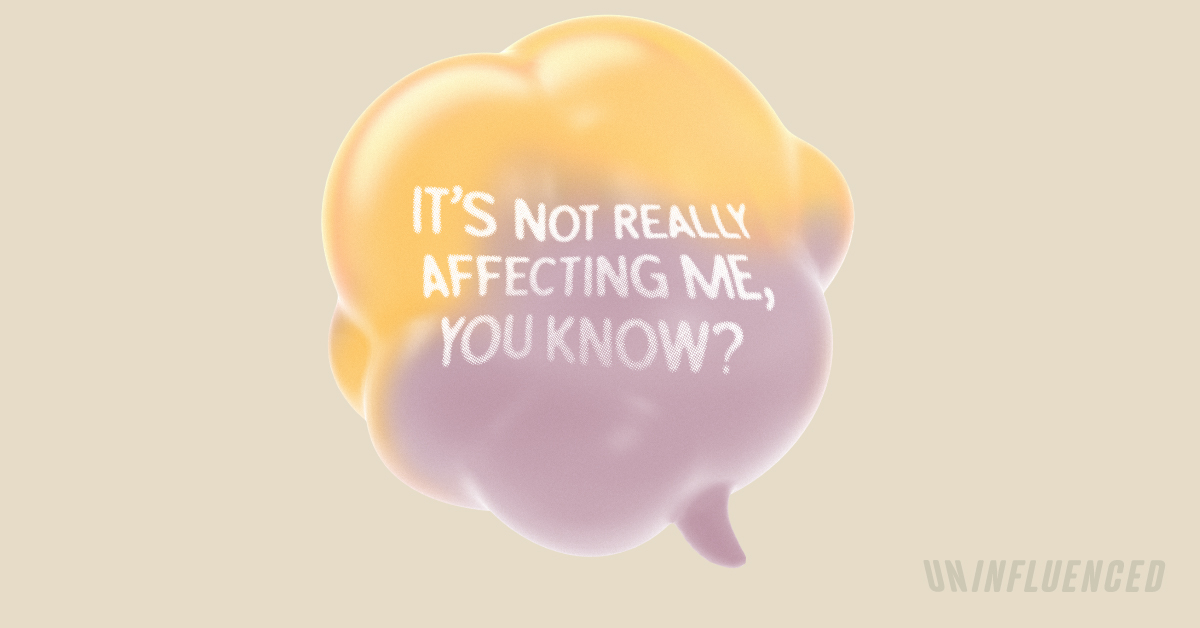
In online forums, some Singapore-based users expressed how learning more about drugs has led them to embrace more liberal perspectives and open-minded attitudes.
For instance, one Redditor opines: "I used to be on Team Drugs-Will-Ruin-Your-Life, but as I grow older, I realise there are different kinds of drugs, and not all of them are actually bad."
Lim notes how the youths he works with often voiced similar sentiments. In fact, for many, initial exposure often stems from both curiosity and a perceived functional purpose for dabbling in substances. He notes that this line of "functional" thinking can take many forms: some youths use drugs with specific goals in mind, convinced by external influences that these substances can boost "creativity" or "energy".
This perpetuates the narrative that drugs can simply be integrated as a functional lifestyle choice or a temporary "solution", which downplays the real risks drugs can pose to one's health and daily life.
"I have met youths who initially said that they would never take drugs, but over time became curious after repeated exposure to their friends' drug use," said Lim, highlighting how peer influence can gradually reshape one's perceptions over time.
"Curiosity is not a problem... It's how they respond to that curiosity," he adds, reinforcing that the perceived benefits of drugs, whether it be for excitement or adventure, can always be derived in healthier ways.

Another Singapore-based Redditor noted a disdain towards the more "black-and-white" conversations around the topic, which they believed would do little to address the full complexities of drug issues.
Lim acknowledges this viewpoint, explaining that it often stems from good intentions. Instead of a clear-cut stance against drugs, some young people approach the topic with a profound mix of empathy for those who choose to abuse, as well as a fear of confrontation or imposition on others' decisions.
In sharing his experiences with mitigating youth substance abuse, Lim notes that sometimes, even as family and friends become aware of the problematic behaviour, they may refrain from intervening for fear of encountering a hostile or defensive reaction.
"Some might feel that drug use is deeply personal... and they think that they shouldn't impose their personal values on others," Lim notes, while pointing out that some might choose to perceive their friends' abuse of drugs as "temporary solutions" to help them tide through difficult periods.
This hands-off approach, while laced with good intentions, can breed more harm than good. Lim commented on how the collective silence may signal to others that partaking in drugs is acceptable, or simply a matter of personal choice.
"If people notice I take drugs, but no one asks about it, doesn't that mean that they allow me to continue this behaviour?" he asks, reflecting a sentiment shared by youths who, without timely intervention, became trapped in dangerous drug abuse.
To tackle this delicately, Lim advocates for dismantling the "silent majority" and equipping peers and parents with the skills to have these difficult conversations about drugs early to discuss and challenge permissive attitudes.
"We often talk about how it takes a village to raise a child... Most people immediately think of parents, teachers or other adults. But one other area I think worth mentioning is peers who are part of that village as well," Lim said, remarking how young people see each other through their crucial growing up years, and can jointly influence one another's attitudes and choices.
With that, Lim advises to always keep a lookout for their friends, and reaching out to those whom they suspect may be at risk. This could manifest as being disengaged at school or falling in with peers who may not have their best interests at heart.
At the same time, Lim acknowledges how difficult it is for youths to navigate these conversations and manage outcomes without professional training, as most would lack the proper resource or capabilities to help their friend even as they earnestly wish to.
If the situation requires, Lim suggests directing one's friends to avenues of professional support. He provided the following example of how to broach the subject: “I know of a programme where social workers or counsellors help people explore ways to cope with stress, so they don't have to rely on drugs to cope. If you're open to it, we could go together and find out more.”
By offering to accompany their friend, youths communicate care, concern and support, while reducing the anxiety of seeking help alone. This approach encourages their peers to seek help, rather than pressuring them.
Ultimately, the first step for youths to take is to meaningfully engage with friends with a resolve to speak up against dangerous behaviours like drug abuse. Changing mindsets takes time, but leading these conversations with empathy and care can inspire self-reflection, preventing permissive attitudes from festering and taking over.
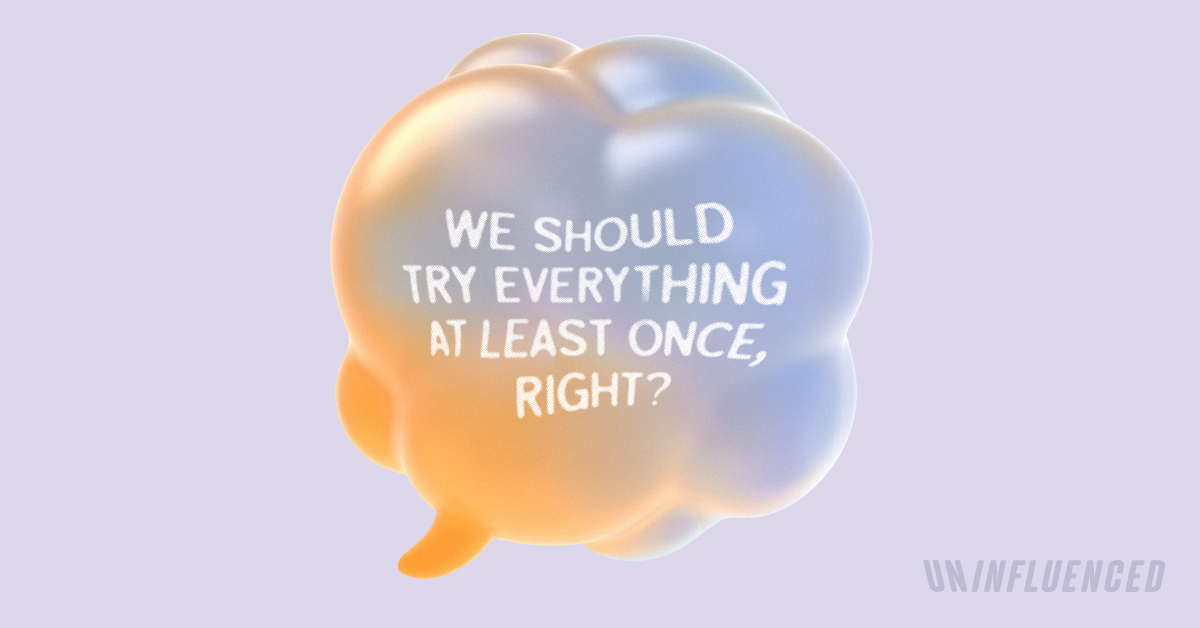
When sharing perspectives online, some users draw distinctions between 'drug addicts' and those who are simply 'casual users'. One Reddit user even positioned the latter group as "freedom-seeking young adults" who were merely looking for novel experiences.
This blurring of lines can encourage trial and experimentation among young people who feel validated in their choices to try everything once. Whilst many of us would like to believe we are above addiction, applying this mindset to drug abuse can increase the risk of embarking on a slippery slope.
"A common belief I've heard is, 'I know my limits; I will only try it once'. Unfortunately, people often do not know beforehand how their body or mind will respond to a drug," says Lim, who stresses that youths are particularly vulnerable to the harms of drug abuse because their brains are still developing. He explains that even trying drugs once may affect the brain's reward pathways, increasing the risk of repeated drug abuse, dependence and addiction.
Youths may also fall prey to the temptation of experimentation when placed in certain environments - such as amid close-knit friend groups where permissive attitudes dominate, at certain nightlife events, or while overseas in places where drugs are available, legalised or more socially accepted.
In such situations, Lim recognises how stressful it can be for youths to navigate and establish their personal boundaries safely. They might fear being seen as a buzzkill, endangering their place within the social circle and straining valued relationships.
As a practical strategy, he advises the laying down of ground rules prior to shared experiences, such as going on an overseas vacation or attending social gatherings. Ensuring that their boundaries are made clear from the outset means they are less likely to have to make difficult decisions in the heat of the moment.
Youth's permissive attitudes on drugs are rarely born out of rebellion; instead, they often stem from a place of empathy, heightened understanding, and a desire to be open-minded.
The truth is that there is no straightforward solution. However, challenging permissive views and blanket statements are ways in which we can clarify our stance and dismiss misconceptions, thereby establishing boundaries for ourselves and others. We can acknowledge the natural curiosity those around us may hold while still steering them towards sensible conclusions that can safeguard their futures.
And while these conversations may be difficult or uncomfortable to navigate, building a drug-free or drug-resilient Singapore requires us to stand in solidarity as a community, looking out to ensure that those around us stay grounded in their perspectives and choices.

For a personalised understanding on how you can respond to drug influence in a way that protects your boundaries and your peers, try out the quiz on Uninfluenced.sg
This article is brought to you in partnership with the Central Narcotics Bureau.