

Dongfeng 007 Prestige review: A more comfort-focused approach to the Premium

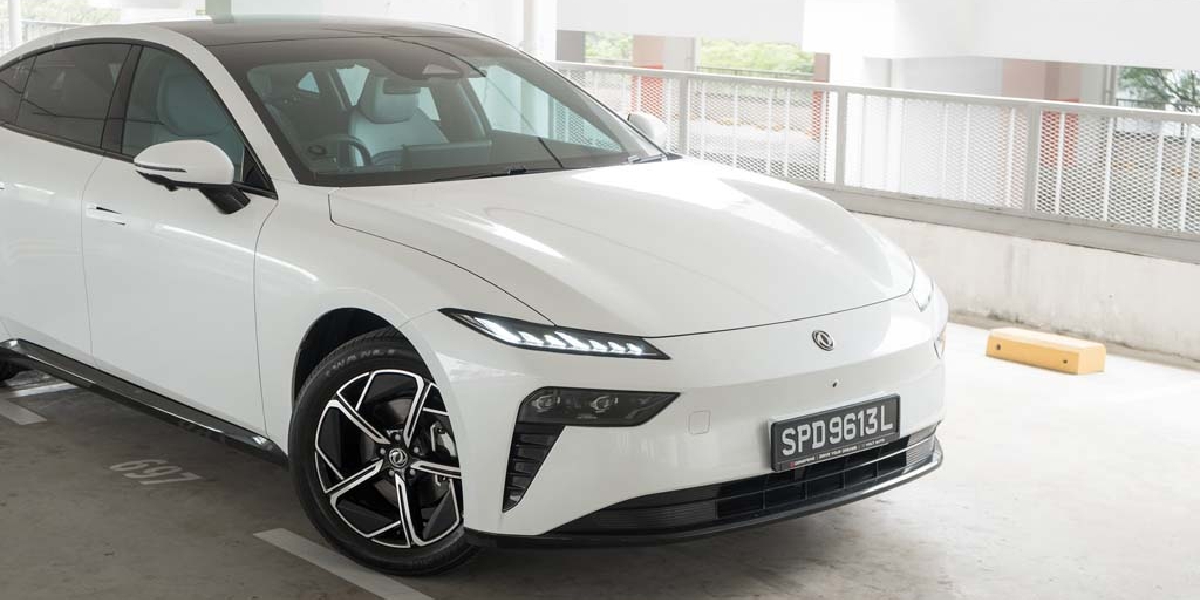
There is little externally to distinguish the Prestige from its more powerful sibling.
PHOTO: sgCarMart

The Dongfeng 007 has made an encouraging start in Singapore. Following its local introduction in 2025, the Cat B version went on to secure Electric Sedan of the Year honours. The Prestige tested here takes the same basic package in a different direction. Its smaller battery and 99kW motor allow it to qualify for Category A COE.
On paper, the Prestige trades some performance for Category A eligibility, while also sitting lower in the range. The reality is that the two variants share far more similarities than their specifications might initially suggest.
At first glance, the Prestige looks remarkably similar to the Premium, with little to distinguish the two in terms of styling, presentation and overall equipment. There are, however, a few differences worth noting, particularly in performance and battery capacity that can noticeably influence the driving experience. Importantly, the move to Category A eligibility has not fundamentally changed what the 007 is. Buyers still get much of the design, comfort and equipment that make the broader range appealing, albeit with a few distinctions that become clearer over time.
There is little on the outside to identify the Prestige as the entry point to the range.
It retains the low nose, clean surfacing and flowing fastback profile of its more powerful sibling. Slim lighting elements give the front some visual distinction, while the long roofline lends the 007 proportions that remain unusual among similarly positioned electric cars.
Dongfeng quotes a drag coefficient of 0.209Cd. The figure is impressive on paper, but occupants are more likely to appreciate how composed the car looks and how little wind noise enters the cabin at speed.
The 007 is also a proper liftback. Its rear glass rises together with the tailgate, creating a much wider loading aperture than you would get in a conventional saloon. As with many cars that adopt a sleek fastback profile, there are compromises that come with the styling.
Rearward visibility through the rear windscreen is significantly restricted. The steeply raked glass leaves a shallow viewing area, while the three tall rear headrests take up much of what remains. The centre headrest is especially prominent in the interior mirror.
Anyone coming from a more conventionally shaped saloon is likely to notice this straight away. It is not a problem unique to the 007, but it is something prospective buyers should experience for themselves from the driver's seat rather than simply assess from photographs.
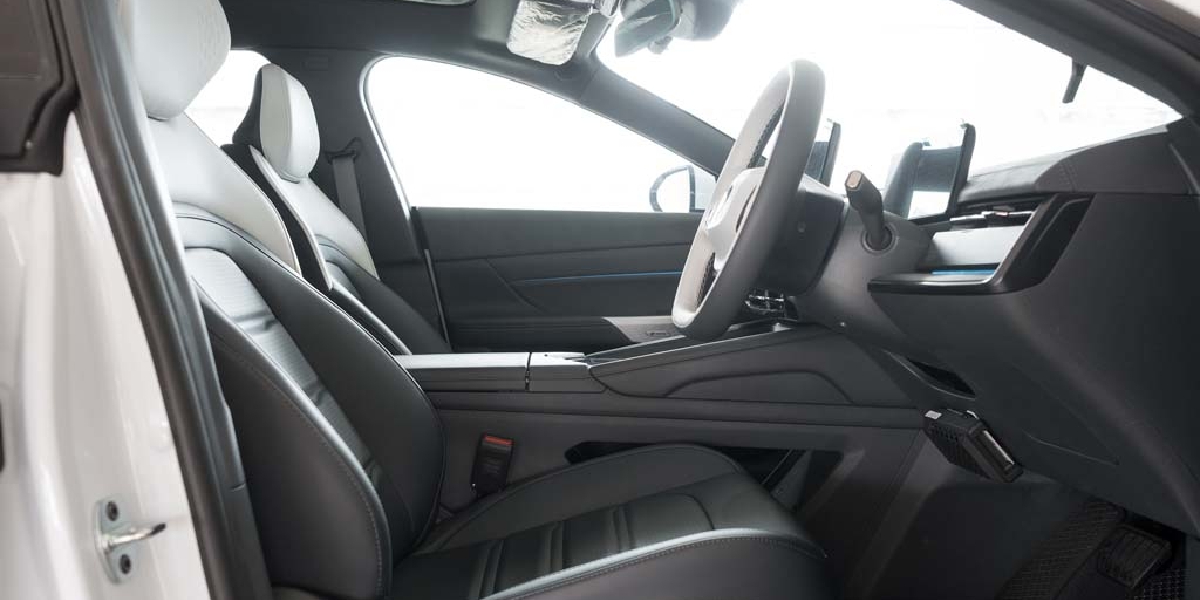
The Prestige makes its strongest case once you step inside.
Its dashboard, central display and overall presentation remain closely aligned with those of the Premium. More importantly, the cabin does not feel deliberately pared back simply because this is the Cat A variant.
A 15.6-inch touchscreen takes centre stage, accompanied by a compact digital instrument display ahead of the driver. Most of the surfaces you regularly see or touch feel pleasant enough, while the combination of soft-touch materials and textured finishes stops the minimalist layout from looking too sparse.
The front seats are supportive and come with ventilation, which is always welcome in Singapore's climate. The ventilation is concentrated in the seat cushion, however, and does not extend to the backrest.
In practice, it did a reasonable job of cooling the thighs and lower body. The effect was not as encompassing as a system that circulates air through both sections of the seat, although this is likely to matter more to some occupants than others.
The infotainment system responds promptly, while the display's generous size makes commonly used functions easy to see.
However, the smartphone experience differs depending on the device you use. Apple users have wireless Apple CarPlay integrated into the system, allowing compatible iPhone apps and functions to appear directly on the infotainment display.
Android users face a slightly different arrangement in our test car. Accessing Android Auto required an external hardware adapter connected to the front USB-A port. The phone connects to this adapter, which then relays the interface to the vehicle through a dedicated onboard application.
The setup worked during our drive, but it occupied one of the front USB ports and introduced another piece of hardware into the centre console area. Android users who rely heavily on navigation, music streaming or messaging apps should check whether the adapter is supplied with the car and confirm the setup fitted to current customer vehicles.
Android users can still connect to the infotainment system, although the setup is less straightforward than the wireless Apple CarPlay integration available to iPhone users.
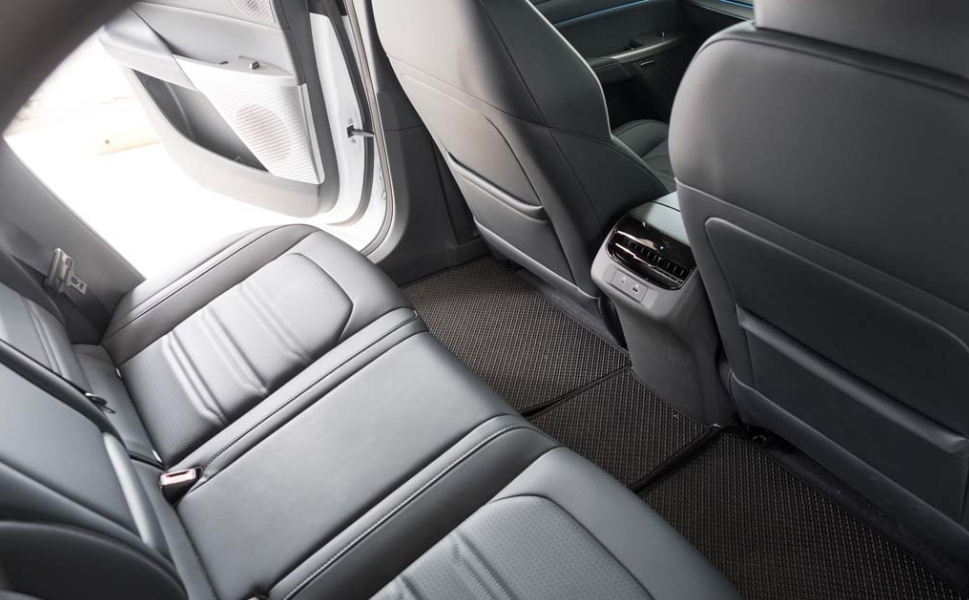
Rear passengers get plenty of legroom, which comes as little surprise given the 007's 2,915mm wheelbase.
There is enough knee room for an adult standing around 1.8 metres tall to sit comfortably in the second row, while the largely flat floor makes life easier for whoever occupies the middle seat.
The good news is that this sense of spaciousness carries over unchanged from the Premium, so Prestige buyers do not miss out on one of the 007's most appealing qualities.
Measured by the distance between the front and rear seats, the 007 makes good use of its footprint. The available space does not translate equally in every direction, however.
Low-set front seat rails leave limited room for passengers to slide their feet underneath the seats ahead, while the sloping roofline brings the headlining a little closer to taller occupants.
Neither issue undoes the generous legroom on offer, but both influence how spacious the second row feels once you settle in. There is plenty of room to stretch out, although the roofline inevitably asks rear passengers to make some allowance for the car's styling. The liftback configuration proves more useful when carrying bulkier items. Its wide opening makes loading and unloading easier than in a conventional saloon, adding a welcome dose of practicality beneath the coupe-inspired silhouette.
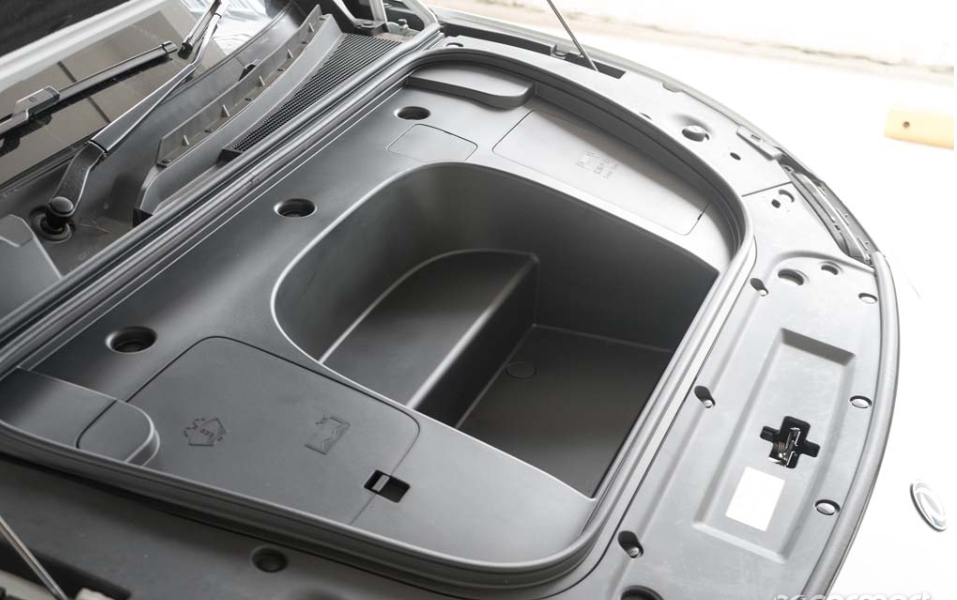
Practicality extends beyond the liftback tailgate. Official figures quote 452 litres of boot space, expanding to 1,026 litres when the rear seats are folded down. There is also a 40-litre front trunk that should prove useful for storing charging cables and smaller items separately from the main luggage compartment.
Together with the generous passenger accommodation, these storage solutions reinforce one of the Prestige's more compelling attributes. Like the Premium, it remains a surprisingly practical car despite its sleek fastback styling.
The Prestige uses a 99kW rear-mounted motor and a smaller 58.35kWh battery. Dongfeng quotes a 0-100km/h sprint time of 8.2 seconds, reflecting the more modest output compared with the stronger-performing 007 variants. In everyday driving, however, the Prestige never feels short of usable performance.
There is enough power for it to keep up comfortably with surrounding traffic, whether pulling away from a junction, joining an expressway or completing a routine overtake. Acceleration is delivered cleanly and progressively rather than with the forceful surge that has become familiar in more powerful electric cars.
How much that matters depends on what you expect from the 007. Its sleek appearance might lead some drivers to anticipate stronger acceleration, but viewed as a Cat A family car, its performance feels entirely appropriate for daily commuting duties.
Rather than focusing on quick bursts of acceleration, the Prestige feels happiest making smooth and effortless progress.
Dongfeng uses the term Energy Recovery for what is more commonly known as regenerative braking. The system offers four settings: Off, Weak, Medium and Strong.
Drivers who prefer a more natural coasting driving style after lifting off the accelerator will probably gravitate towards Off or Weak. During our drive, we found these settings better suited to smoother progress, particularly when carrying passengers.
We also tested Medium and Strong, and find more noticeable deceleration the moment the accelerator is released. Drivers already familiar with stronger regenerative braking systems, or one-pedal-style EV operation, may appreciate this behaviour because the car sheds speed more readily before the brake pedal is required.
For those new to this driving style, the stronger settings demand a little more care with accelerator inputs. Lift off too abruptly and occupants can be rocked forwards in their seats, particularly in urban driving conditions where accelerator movements are frequent.
Repeatedly moving on and off the pedal in Medium or Strong can also produce the head-bobbing sensation associated with more assertive regenerative braking systems.
We found Weak to be the best fit for the way we drove the Prestige. It retained some regenerative braking while allowing the car to coast more naturally, making it easier to maintain smooth progress for everyone on board.

That said, this remains largely a matter of preference. Off or Weak will likely appeal to drivers who prefer a more familiar driving experience, while Medium or Strong may be more appealing to those who enjoy stronger energy recovery.
The lane departure assistance settings can also noticeably influence the driving experience.
In Alarm Only mode, the system provides visual and audible warnings if it detects that the vehicle is crossing a lane marking without the indicator being activated. The warning is there, but the steering remains entirely in the driver's hands.
Correction mode takes a more active approach. Should the vehicle begin drifting out of its lane, the system applies steering input in an attempt to guide it back.
During our drive, that intervention could feel quite firm at times. It was most noticeable when travelling close to a lane marking, where the corrective steering occasionally arrived more assertively than expected.
We generally preferred Alarm Only because it retained the warnings while leaving steering inputs entirely to the driver.
Other motorists may welcome the extra layer of assistance provided by Correction mode. Ultimately, the preferred setting will come down to individual preferences, but the difference between the two modes is substantial enough to be felt almost immediately.
That comfort-focused character becomes apparent on typical Singapore roads.
The suspension deals amicably with smaller road imperfections, including minor bumps, uneven surfaces and rougher patches of tarmac. Larger bumps are felt more noticeably through the cabin, so the ride quality is not equally forgiving over every type of surface.
In Eco or Comfort mode, the steering is light and requires little effort around town. This makes the car easy to manoeuvre in traffic and when parking, although some drivers may find the steering a touch lighter than they would prefer.
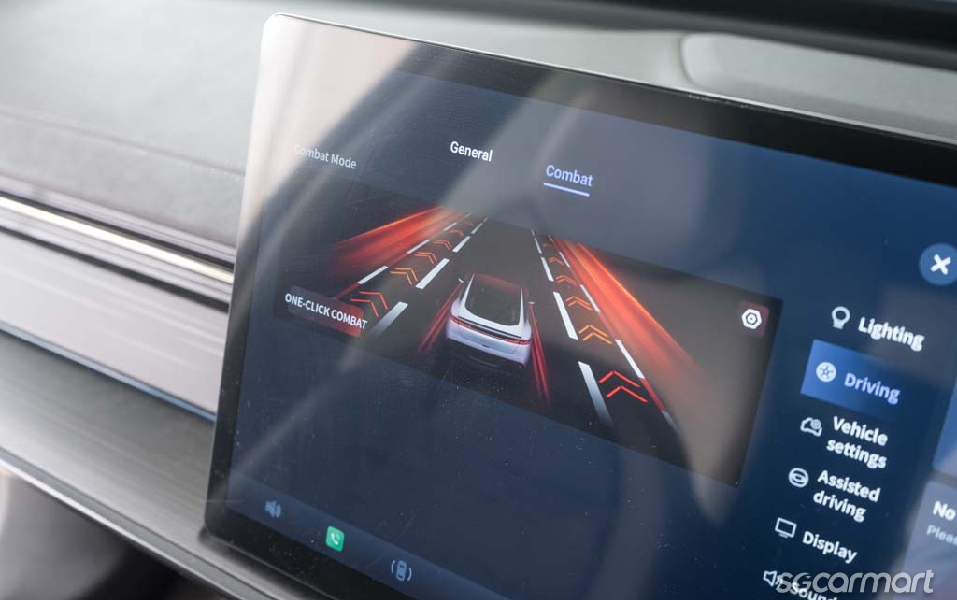
Switching to Sport mode, or the more aggressive Combat mode, adds noticeable weight to the steering electronically. The wheel feels more substantial in your hands, reducing some of the overly light sensation experienced during slower urban driving.
The change does not suddenly turn the Prestige into a sports saloon, but it does give the driver the option of a more weighted steering response when desired. Road and wind noise are generally well suppressed, allowing the cabin to remain calm and settled at expressway speeds.
The brake pedal required slightly more pressure than expected, especially towards the end of a stop. Drivers accustomed to a sharper initial response may find the calibration less immediate, whereas others could prefer its more progressive travel.
This is not a question of stopping power. Rather, the pedal response takes a little familiarisation when first getting behind the wheel.
The Prestige's 58.35kWh battery is smaller than the unit fitted to the Premium, making potential driving range part of the trade-off between the two variants. We did not conduct a controlled efficiency assessment or run the battery through a complete charge cycle, so we cannot independently verify Dongfeng's consumption or range claims from this drive.
Real-world results will vary according to traffic conditions, speed, driving style, Energy Recovery setting, air-conditioning use and other electrical demands.
For now, the published consumption and range figures should therefore be treated as manufacturer claims rather than figures achieved during our evaluation.
The Dongfeng 007 Prestige shares much of its design, equipment and cabin presentation with the Premium, but there are still meaningful differences between the two.
Its Cat A drivetrain delivers more gentler acceleration, while the smaller battery changes its range proposition. Spend more time with the car and several everyday considerations also emerge, including the restricted rearward visibility, cushion-only seat ventilation, adapter-based Android Auto arrangement and driver assistance settings that can noticeably alter the car's behaviour. None of these observations overshadows the Prestige's strengths.
It remains handsome, comfortable and impressively quiet. The cabin feels well equipped, rear legroom is generous and the liftback body adds useful versatility. Most importantly, many of the qualities occupants will appreciate every day have successfully carried over from the Premium. That does not automatically make it the better 007. Instead, it makes it an alternative aimed at buyers whose priorities differ.
The Dongfeng 007 Prestige retains much of the Premium's appearance, cabin presentation and everyday comfort while trading some performance and battery capacity for Category A eligibility.
Its restricted rearward visibility is a familiar compromise associated with sleek fastback styling, while Android users do not enjoy quite the same straightforward smartphone integration available to iPhone users through wireless Apple CarPlay. We also found the lane correction system capable of applying fairly assertive steering inputs when intervention occurred. The Energy Recovery settings have a noticeable influence on the driving experience. We found Off and Weak to deliver the smoothest results, although drivers accustomed to stronger regenerative braking may feel differently.
Balancing those considerations are a well-equipped cabin, generous rear legroom, a quiet driving experience and a ride that copes well with smaller road imperfections.
The Prestige is neither an uncompromised 007 nor simply a diluted version of the Premium. Instead, it feels like a comfort-focused interpretation of the same formula, retaining much of the design and cabin appeal that make the larger-battery variant attractive while presenting a sensible Cat A alternative.
The Prestige will likely make the most sense for buyers who value the 007's styling, spacious cabin and equipment levels, but who are prepared to trade some performance and battery capacity for Category A eligibility.
[[nid:727402]]