

To Peter Chan, making movies answers questions he has at different stages of his life

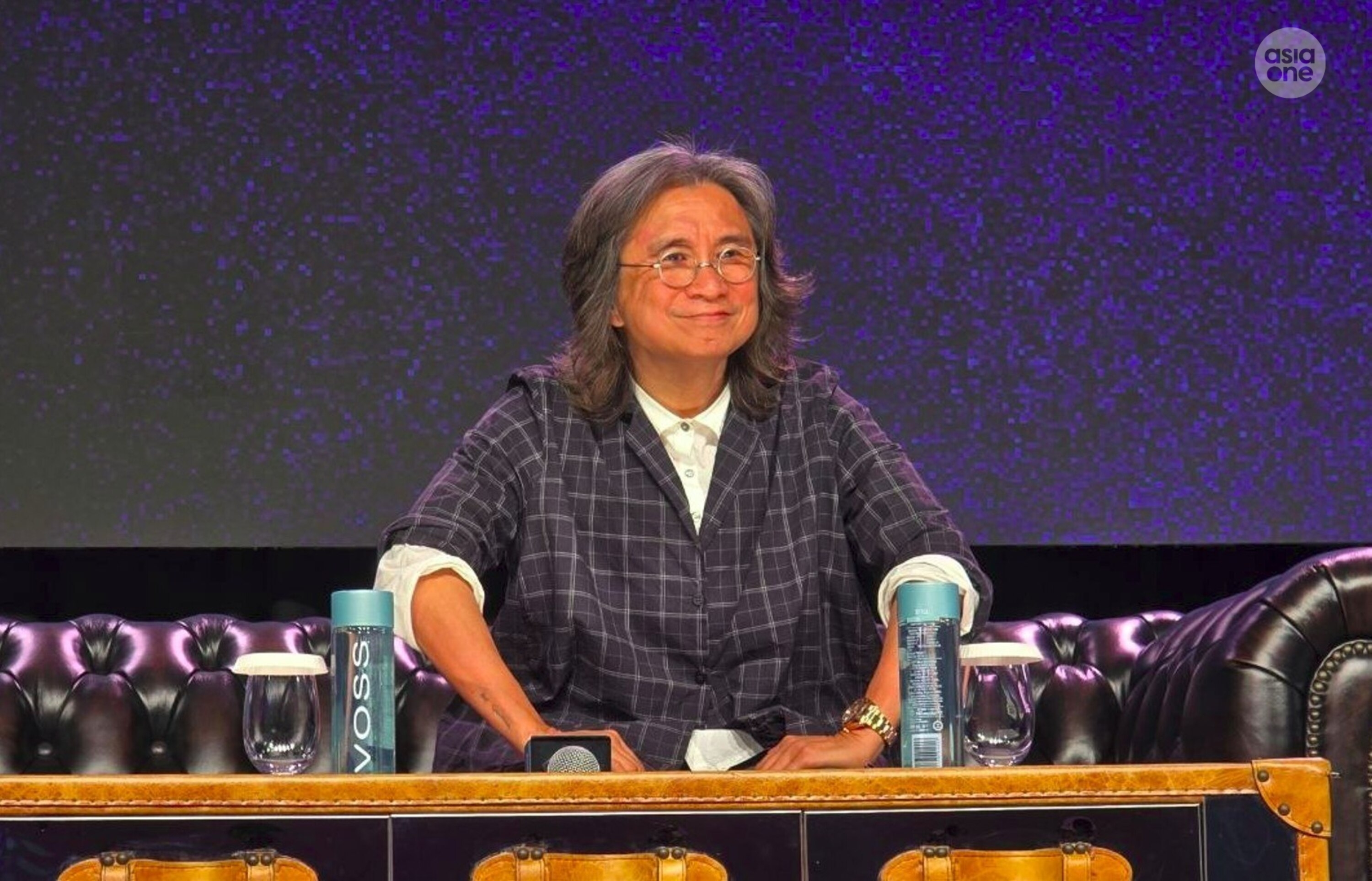
Peter Chan shared his filmmaking experiences with the audience at the Singapore International Film Festival on Oct 22, 2026.
PHOTO: AsiaOne/Nuriyah Fatin

 PUBLISHED ONOctober 23, 2026 10:34 AMBYYeo Shu Hui
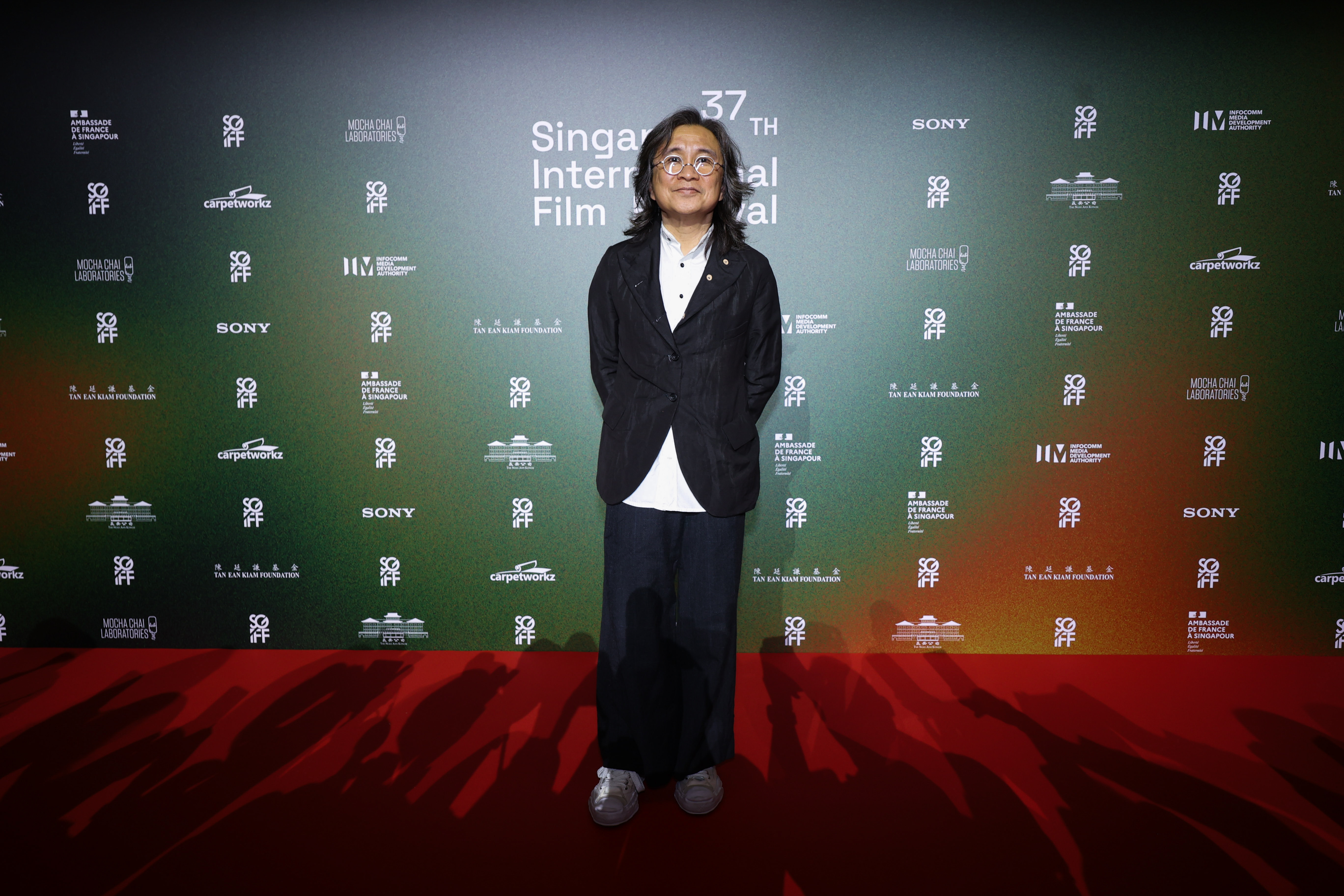
Veteran Hong Kong director Peter Chan is in town for the Singapore International Film Festival (SGIFF) and he met the public yesterday (Oct 22) to talk about how his movies reflect his questions about life.
Peter, who turns 64 next month, recalled his 2014 Chinese film Dearest which is based on a true story about a father's search for his son who was abducted when he was around age two.
At the In Conversation With forum held at Sands Expo and Convention Centre, he recounted his conversation with the father of the real-life victim: "He said when he brought his son home when he was about five... the boy felt like it was a second abduction, because he was so attached to the new family that bringing him home was a torture. That stuck with me."
What attracted him to make this movie wasn't just about the social issues caused by childhood abduction, but the duality of the situation, which he hoped to convey to viewers through his film.
"In every stage of my life, reading the newspapers, seeing how the world is going, my own growth and my own anxieties... To me, making every movie is answering some questions I have at that stage of my life," he said.
He also shared that his new film The Road Not Taken, which centres on a dysfunctional family coping with the mother Jia Jia's (Zhou Xun) worsening Alzheimer's disease, is inspired by his own conversations with friends about their family problems and the neurodegenerative disease.

Peter, who is known for directing films including He's a Woman, She's a Man (1994), Comrades: Almost a Love Story (1996) and Perhaps Love (2005), also produced films including Bodyguards and Assassins (2009), The Guillotines (2012) as well as Soul Mate (2016).
When asked how he decides which films to produce instead of direct, he explained: "I was looking to do something that is more [morally] grey, instead of black and white...
"[I hope that my films] make people confront questions and problems that they can't solve in life and deal with them... I only direct movies that speak to me, that I feel are very personal."
Peter, who has directed more than 15 movies since he began his career in the 1980s, said his films set in Hong Kong in the 80s and 90s captured "aesthetically and emotionally" the essence of the city he knew, including the buildings and features such as phone booths and specific shops from when he was young.
"Those are the memories that stuck with me and those places are gone. However, the movies preserved those places, moments, emotions, values and sentiments of the time, and I think it's not just one scene, it's the combination of many things of that moment. It's kind of like a history book in a way," Peter elaborated.
He recalled a time when his father, the late director-writer Chan Tung Man, had persuaded him not to pursue the same path.
He recounted: "My father thought I wouldn't be able to endure the ups and downs (of the job). And of course, like any father, he didn't want his child to have a difficult life.
"But when I went to college, I dropped out of whatever I was doing after a semester and decided to take film instead. I think he was both worried but also happy in a way that we love the same thing. That was a very strong bond between my father and I; movies became the strongest thing that tied our relationship."
Peter also believed he was lucky to have met many good actors in the course of his career, who were able to connect with the audience through their performances.
"They came with great contributions; none of my movies would be what they were without the contributions of every single actor that I had worked with," he said.
As for the trick to bring out outstanding performances on screen, Peter said he wouldn't be able to share about acting with the actors as he isn't trained in it.
Instead, he formed a good friendship with them and translated that to the script.
He explained: "I had lengthy discussions with the actors about the script, letting them improvise and I try to understand them, know their secrets and pull a little bit of the stuff from their real life into the script. Most of the stuff that I learnt when I meet the actors are not known to the public...
"When we see these actors, they have a certain aura and persona in public. But when you know them in real life, they are different. I really had a lot of fun exposing their true self and convincing them that this true self being projected on screen would be great magic."
With the newly gained trust, they would become more relaxed and reveal part of themselves that they had not shown publicly before.
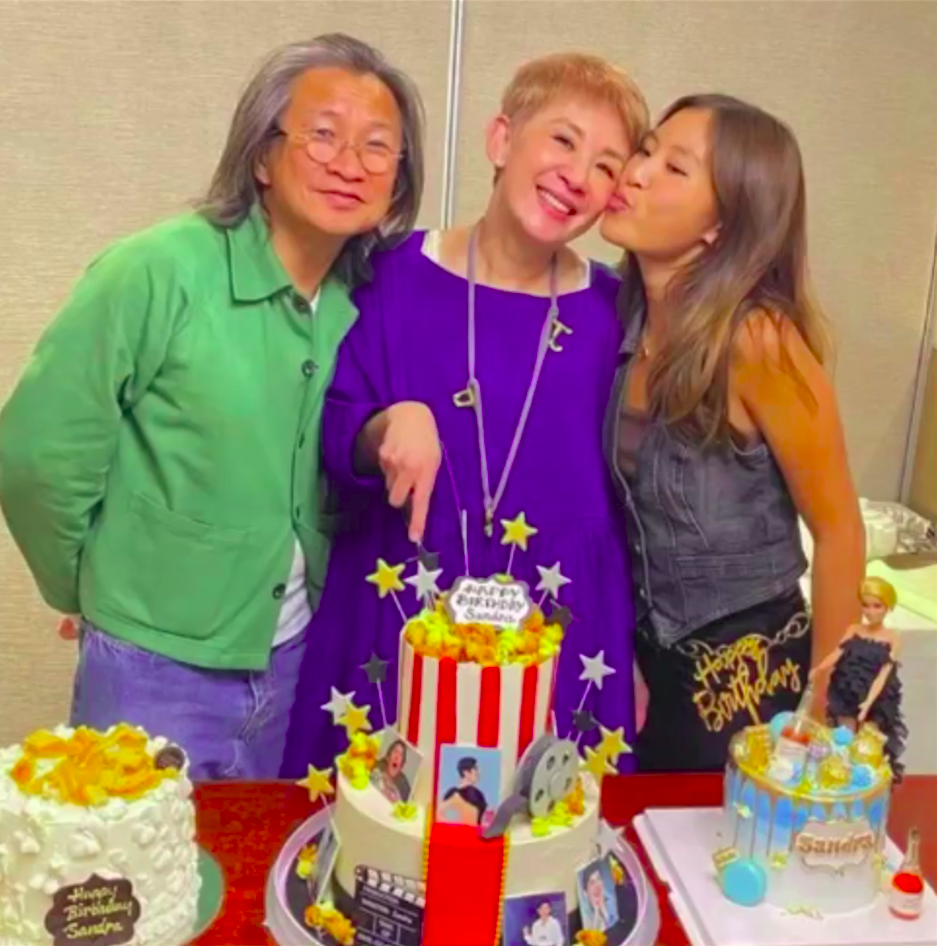
One of the questions posed in the forum touched on how Peter and his life partner, veteran Hong Kong actress Sandra Ng, support each other in their work.
He laughed: "When we have been together for more than 10 years, I learnt to say 'great' to whatever she does, because it's all about being supportive.
"When we have a daughter — our daughter (Jillian) is 20 — I also learnt how to encourage her by saying 'great' to everything she does. She's an aspiring actress and studying to become one.
"When you have two actresses in the family, that's a lot of 'great' to say."
SGIFF will run until Nov 1.
[[nid:748633]]
No part of this article can be reproduced without permission from AsiaOne.