As a kid, Mohamad Hashri Rusyaidy was always much quieter than most other children, choosing not to interact with others.
"I was a troubled child," he told AsiaOne in an interview. "I used to be like a loner. When I caused a problem, I'd keep it to myself and wouldn't share with other people."
In 2020, when the Covid-19 pandemic reached Singapore's shores, the confines of his already small world grew even tighter. He found himself stuck at home, when safe distancing measures were implemented.
During that time, Hashri, 23, decided to push himself out of his comfort zone. He began watching Twitch and eventually started livestreaming on the platform.
He subsequently found himself drawn into the online community of Himetokki, a VTuber who also streams on Twitch.
VTubers are live streamers who utilise a virtual, often anime-like avatar while broadcasting.
"The community is basically a rojak (mixture) of different personalities — some are maybe quiet, some are more outspoken or nonsensical… everyone's quite friendly," he told AsiaOne.
Describing Himetokki's community as one with a "chaotic, positive vibe", Hashri shared that from watching her streams and interacting in her chat alongside other viewers, he has since become more deeply involved.
Hashri is a part of Himetokki's community calls on Discord, participating in voice chats and even collaborating with her during livestreams.

Entering Twitch
Hashri is among 11 Twitch viewers who AsiaOne spoke with as part of a research study on the platform for the Institute of Policy Studies.
Among them, seven are Singaporean, three are Filipino and one is Malaysian.
While they all began their Twitch journeys in different ways, there were some similarities.
Notably, 10 of the 11 users interviewed — six of whom are Singaporean — said they began interacting with the Twitch platform about four to five years ago, which coincides with the Covid-19 period.
Much like Hashri, many of them cited their usage of Twitch as a social pursuit, whether to support friends or find like-minded communities.
While Twitch may primarily function as a livestreaming platform, opinions shared in the 11 interviews suggest it has also become a social space for individuals to explore their identities, build meaningful connections and grow both online and offline.
Singaporean Nuryem, 35, started out on Twitch watching other streamers playing the same game as her. She later ventured deeper into the platform, where she came across Twitch streamer Galmuth.
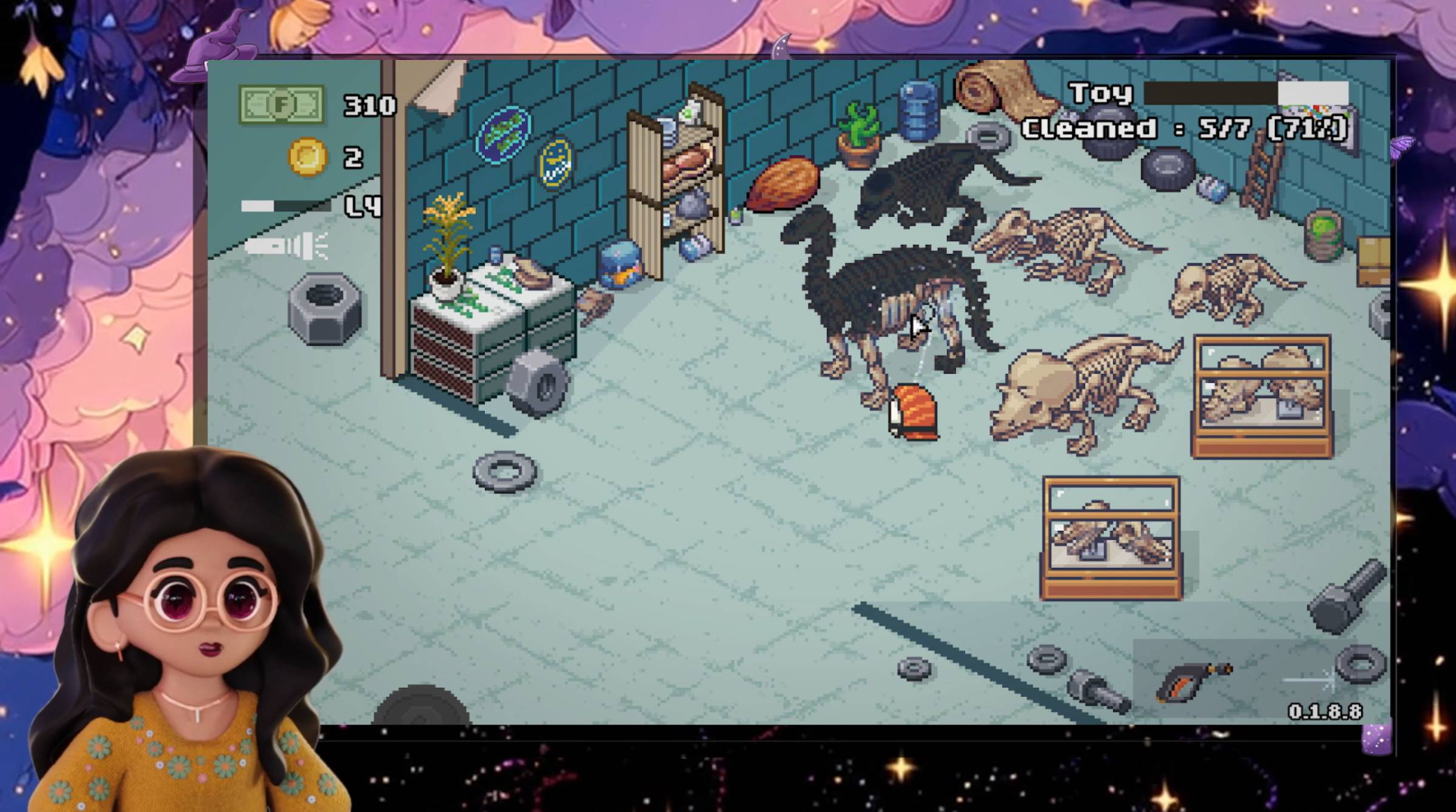
Galmuth primarily streams indie games — titles created by independent developers — which align with Nuryem's own gaming interests.
This common interest was what initially drew Nuryem into Galmuth's stream, but the latter's quirky sense of humour was what captivated her.
She shared that Galmuth's VTuber avatar could transform into something that some might find grotesque — a skinless head with visible muscle fibres.
"Most people would be turned off and be like, 'Why are you watching this thing?" Nuryem said. "She understands weird, I understand weird. That's one of the things... why I actually can click with her, because I find that funny."
That shared appreciation for the strange and unconventional laid the foundation for their friendship, and Nuryem has remained both a friend and viewer of Galmuth since.
Understanding the self
The way Hashri and Nuryem found a space for themselves in their respective Twitch communities may have been more deliberate than they realised.
Henri Tajfel and John Turner (1979) posited in their social identity theory that an individual derives some part of their self-concept from the social group they are a part of, together with the value and emotional significance of that membership.
On Twitch, many aspects of the platform encourage this sense of belonging. Subscriptions, badges and emotes, for instance, are tailored to individual streamers and the communities they cultivate.
Singaporean Corn, an avid gamer, shared with AsiaOne that he had just cleared the highest difficulty of Alien: Isolation and wanted to see how others were faring with the game.
He chanced upon Kuromiya Lucien streaming on a lower difficulty and eventually became a pillar of support by guiding her through difficult parts of the game.
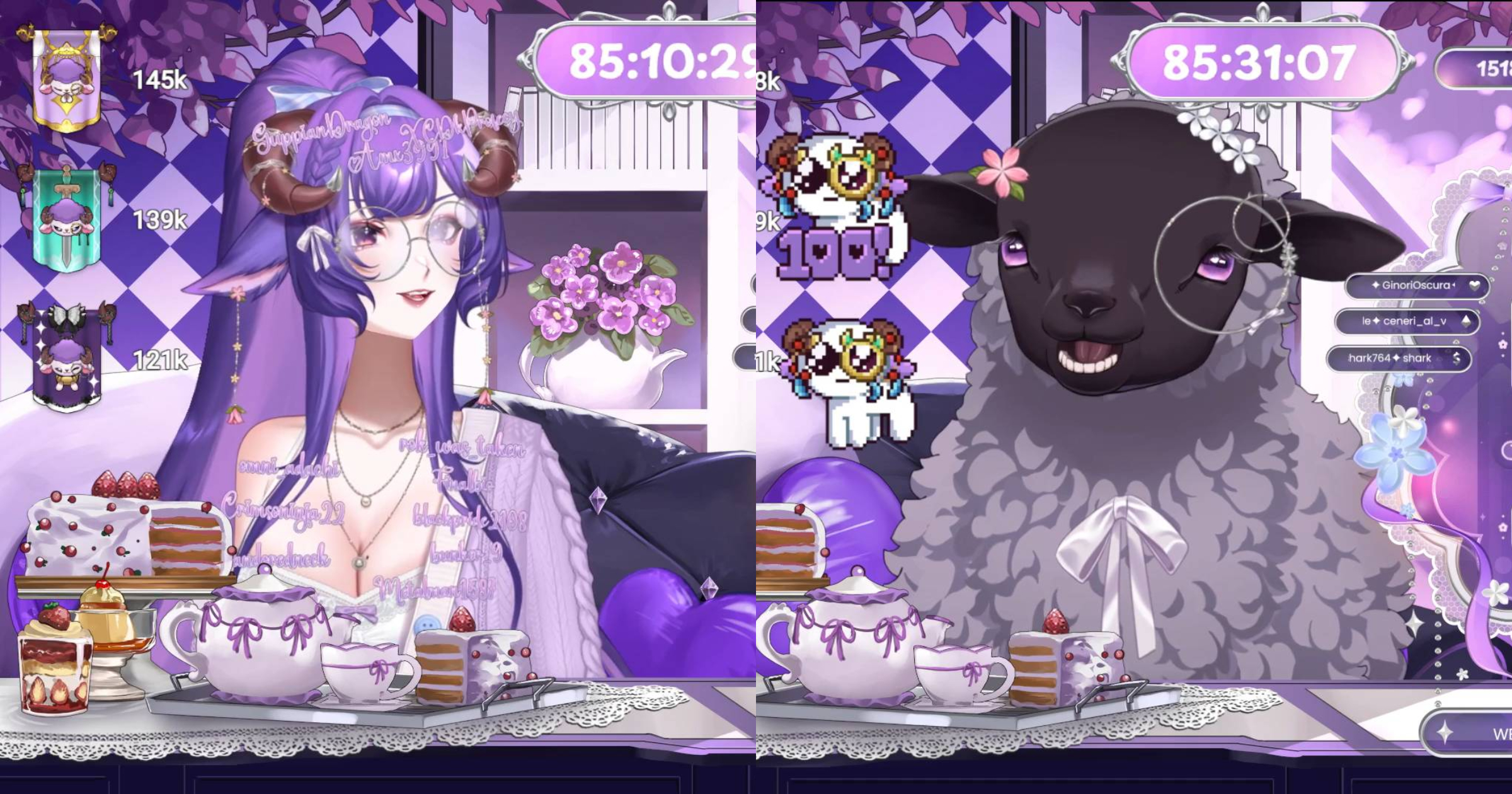
He was later awarded a VIP badge within the channel, which boosted his sense of self-esteem and belonging within the community.
"When others look at [the badge], maybe they'll [think that I'm] a long-time viewer, someone that the streamer is close to. So [they] cannot mess with this guy," Corn said.
Beyond recognition and status, Twitch viewers told AsiaOne that many of them sought out communities that reflect their own personalities and interests.
Bringing real life online
Twitch viewer WingedMessenger, shared that she first entered Twitch to obtain limited time virtual items for Overwatch, a game by Activision-Blizzard that she plays.
However, she soon found DivinityVT, a Twitch streamer with a calming persona that contrasts the horror games he frequently plays.
"I do love cosy spaces," she said of her personality in real life. "I'm someone who has a lower social battery."
She added, speaking about DivinityVT's community: "I find that I gravitate towards cosy and safe spaces because it's welcoming there.
Like WingedMessenger, Hashri also sees his offline personality reflected in how he interacts on Twitch.
Hashri has been volunteering with the Malay Youth Literary Association for around six years, supporting at-risk youth and providing guidance.
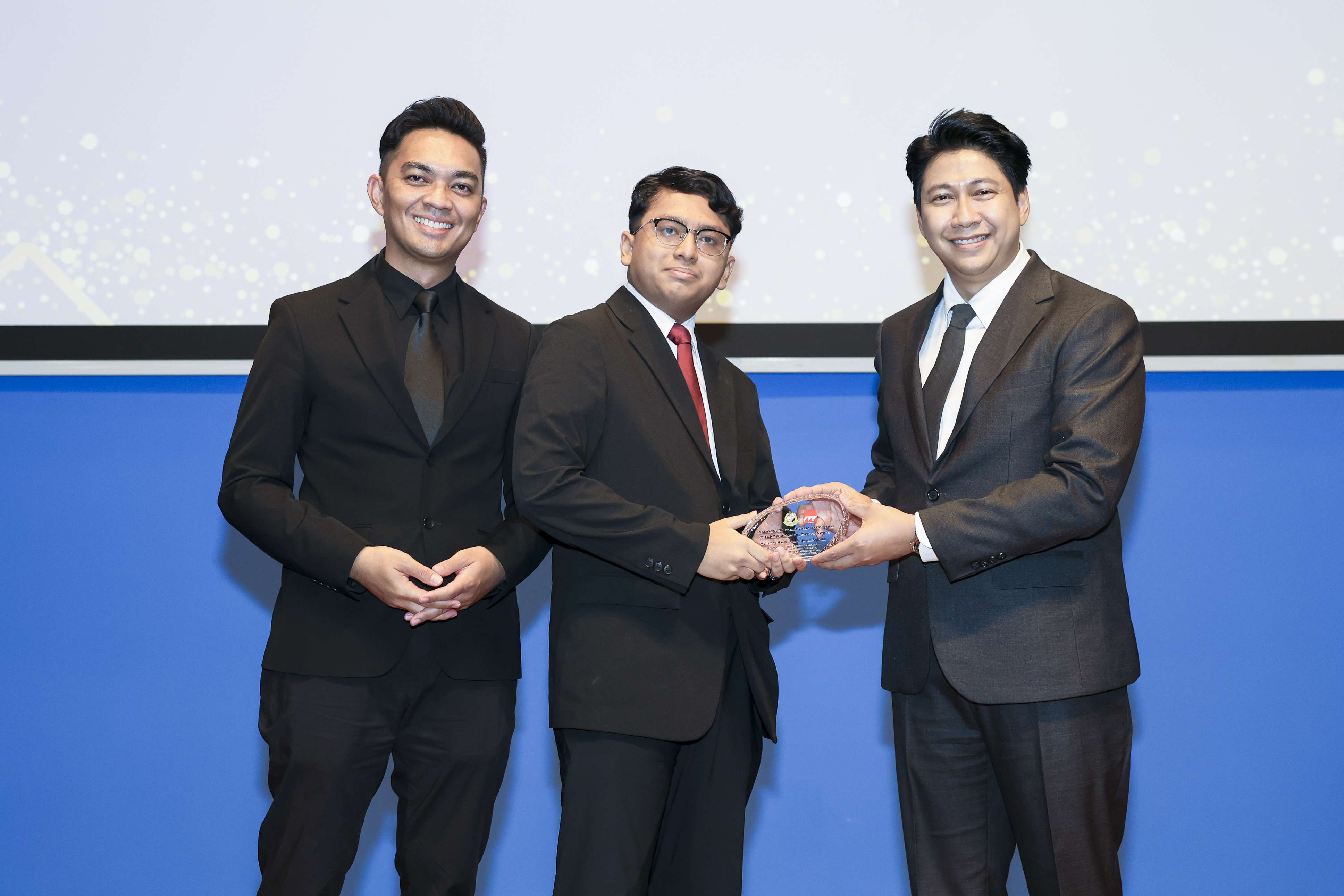
He told AsiaOne that he sees a parallel between his volunteer work and what he does on Twitch, going between streams to support his friends online.
"It's the same thing, because my [caring personality] is genuine," he said.
For Hashri and other viewers on Twitch, the communities they have joined offer more than just company — they help define how they view themselves.
But as interactions increasingly move online, more questions emerge: How much of what people present onscreen is real? When does authenticity end and performance begin?
Stay tuned as AsiaOne continues to explore what happens when online communities spill into real life — and whether Twitch friendships are as genuine as users say they are.
[[nid:721865]]
No part of this article can be reproduced without permission from AsiaOne.
[email protected]